

What is Gambling?
Gambling is the act of wagering money or valuables on an event with an uncertain outcome, primarily driven by the desire to win additional money or prizes. This activity spans various forms, including casinos, sports betting, lotteries, and online games. The thrill of taking risks and the potential for significant rewards make gambling a popular pastime for many around the world. For instance, you can learn more about the thrilling mechanics of the game at https://plinkogame.net.in/.

While the excitement of gambling can be enticing, it’s essential to approach it with caution. Understanding the odds, rules, and potential outcomes is crucial for anyone considering entering the world of gambling. This knowledge can help beginners navigate this complex landscape more effectively.
Historical Evolution of Gambling
The roots of gambling date back thousands of years, with evidence of dice games found in ancient civilizations such as Mesopotamia and China. Over the centuries, gambling has evolved from simple games of chance to the sophisticated betting systems we see today. Historical documents show that even emperors and kings participated in gambling, often placing high stakes on various games and events.
As societies progressed, gambling took on different forms, influenced by cultural norms and regulations. In the 18th and 19th centuries, organized gambling began to flourish, leading to the establishment of casinos and betting houses. This historical evolution has shaped the current landscape of gambling, making it a significant aspect of modern entertainment, with games like the plinko game emerging as new favorites.
The Psychology Behind Gambling
The allure of gambling is not solely based on financial gain; it also taps into human psychology. The excitement of risk-taking can trigger a release of dopamine, the brain’s reward chemical, creating a sense of pleasure and satisfaction. This can lead to a cycle of wanting to experience that thrill repeatedly, sometimes resulting in problematic behavior.
Understanding the psychological aspects of gambling can help beginners recognize the difference between healthy play and addictive behaviors. Being aware of one’s emotions and motivations when gambling is crucial for maintaining a responsible approach to this thrilling activity.
Types of Gambling Games
Gambling encompasses a wide variety of games, each with its own rules, strategies, and odds. Common types of gambling include table games like poker and blackjack, slot machines, and sports betting. Each game provides a different experience and requires varying levels of skill and luck, making it essential for beginners to explore and understand these differences.
Online platforms have also revolutionized the gambling experience, offering games such as the Plinko game, where players can engage in dynamic gameplay while trying to achieve high multipliers and big wins. Understanding these different types of games can help beginners find the ones that best suit their preferences and strategies.
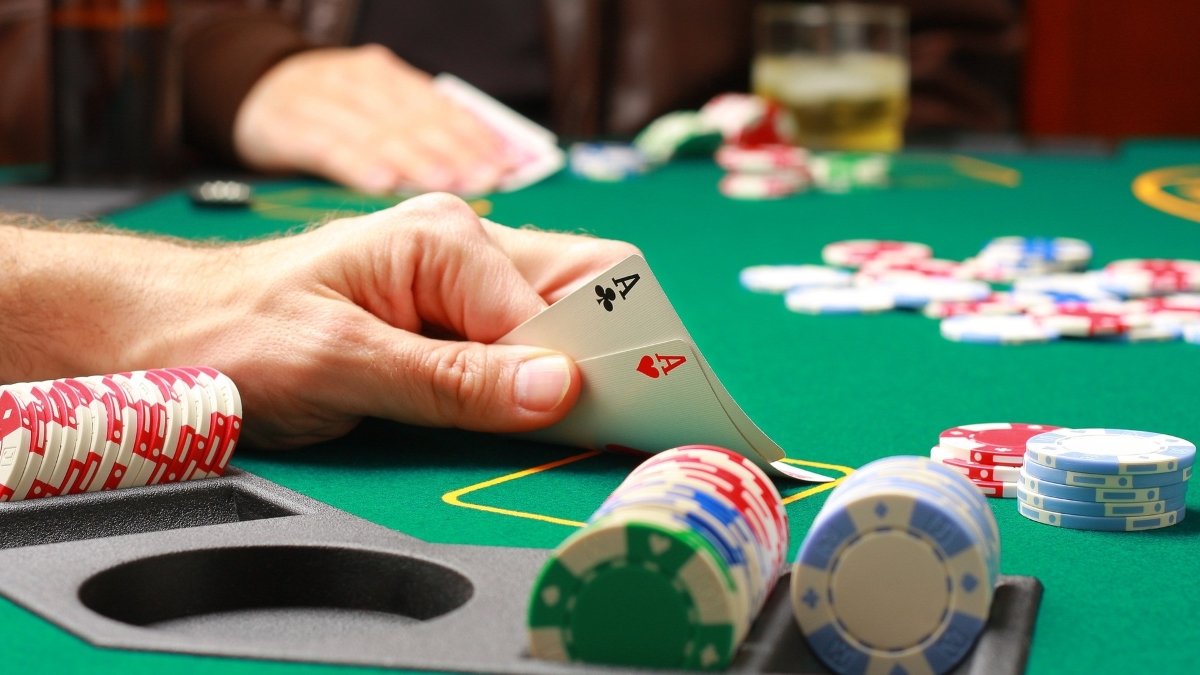
Exploring Responsible Gambling
As with any form of entertainment that involves risk, responsible gambling is essential. This means setting limits on time and money spent, understanding the odds, and recognizing when to walk away. Educating oneself about responsible gambling practices can help prevent adverse consequences and ensure that gambling remains a fun and enjoyable activity.
Many resources are available to support responsible gambling, from self-assessment tools to hotlines offering guidance and assistance. Beginners should familiarize themselves with these resources to promote a healthy relationship with gambling. By understanding the principles of responsible gambling, individuals can enjoy their experiences without facing significant risks.


